


AI insurance transformation is hitting me hard right now, seriously. I’m sitting here in my cramped apartment in Chicago—it’s December 30, 2025, snow piling up outside my window, coffee gone cold on the desk—and I’m staring at my latest auto insurance quote that just dropped because some AI crunched my driving data from that telematics app I reluctantly installed last year.
Like, I gotta admit, I was pissed at first. Back in the day, I’d total ignore those “safe driver” discounts, ’cause who wants Big Brother watching your every brake slam? But after this fender-bender I had in the summer—totally not my fault, some dude ran a red, but whatever—my old insurer jacked up my rates like crazy. Switched to one using heavy AI insurance transformation stuff, and boom, my premium’s lower than it’s been in years. The AI looked at my actual habits: yeah, I speed a little on the highway (guilty), but I brake smoothly and avoid night driving mostly. Feels weirdly fair, but also invasive as hell.
Why AI Insurance Transformation Feels Both Awesome and Sketchy to Me
Okay, real talk—I’ve had some embarrassing moments with this shift. Last month, I filed a home insurance claim for storm damage—wind knocked down part of my fence, water got in the basement, total mess. Old-school way? Weeks of back-and-forth, photos, adjusters dragging their feet. This time, the app had me upload pics and videos, and their AI claims processing kicked in. It analyzed the damage in like, minutes? Approved most of it instantly. Saved me so much headache.
But here’s the contradictory part: I’m thrilled it was fast, yet I lowkey worried the AI lowballed me. Turns out it didn’t—I got a fair payout quick. According to stuff I’ve read, like this McKinsey piece on the future of AI in insurance, gen AI is making claims way faster and adding that “empathy” vibe in responses, which sounds creepy but actually helped calm me down during the stress.
Still, challenges hit close to home. I know folks who’ve had claims denied ’cause AI flagged something weird—bias in the data or whatever. It’s not perfect, y’know? My one friend in California got screwed on a health claim; AI thought it was “unnecessary” based on patterns. Super frustrating.
:max_bytes(150000):strip_icc()/GettyImages-2203373379-b02e0a12c4dc4affba62cceb709c8da8.jpg)
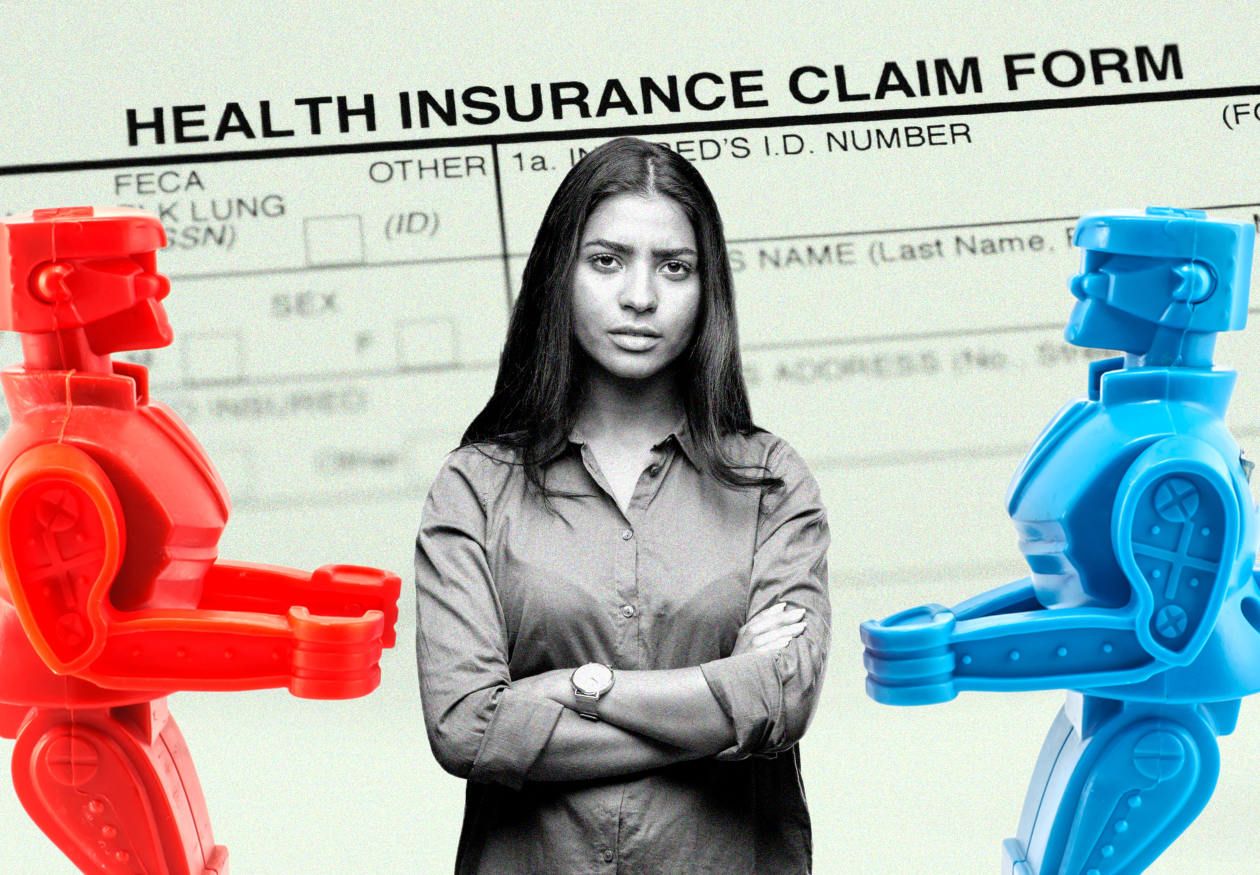
How AI Insurance Transformation Is Killing It with Fraud Detection (And Saving Us Money?)
Fraud detection is where AI shines for me, no cap. Insurance fraud costs billions, and guess who pays? Us, with higher premiums. Now, with AI scanning patterns—like weird claim spikes or fake docs—it’s catching stuff humans miss.
I remember hearing about these organized rings faking accidents; AI’s network analysis spots ’em fast. One report from Shift Technology talks about how their platform nails fraud in claims and underwriting. My insurer brags about using similar tech, and honestly, it makes me feel like my rates aren’t subsidizing scammers as much.
But again, my flawed take: What if it flags legit stuff? I had a minor claim once that got extra scrutiny ’cause my story didn’t “match patterns perfectly.” Had to explain myself more—annoying, but it cleared.
The Wild Side of AI Insurance Transformation: Underwriting and Personalized Policies
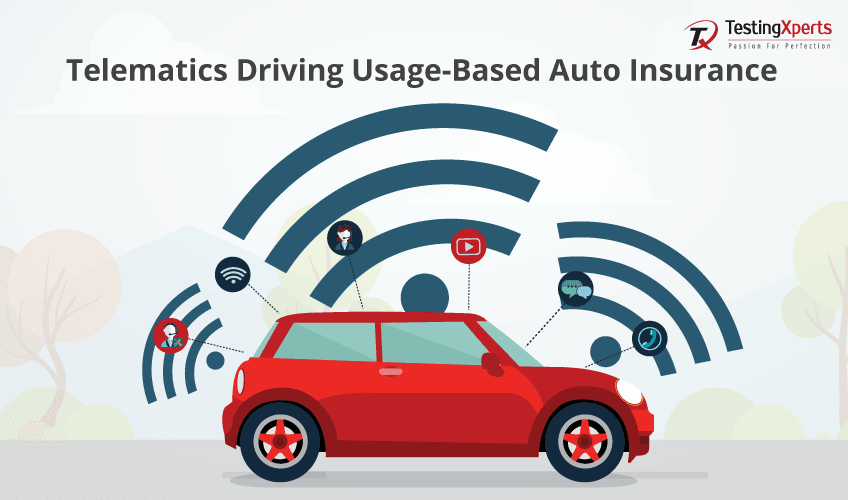
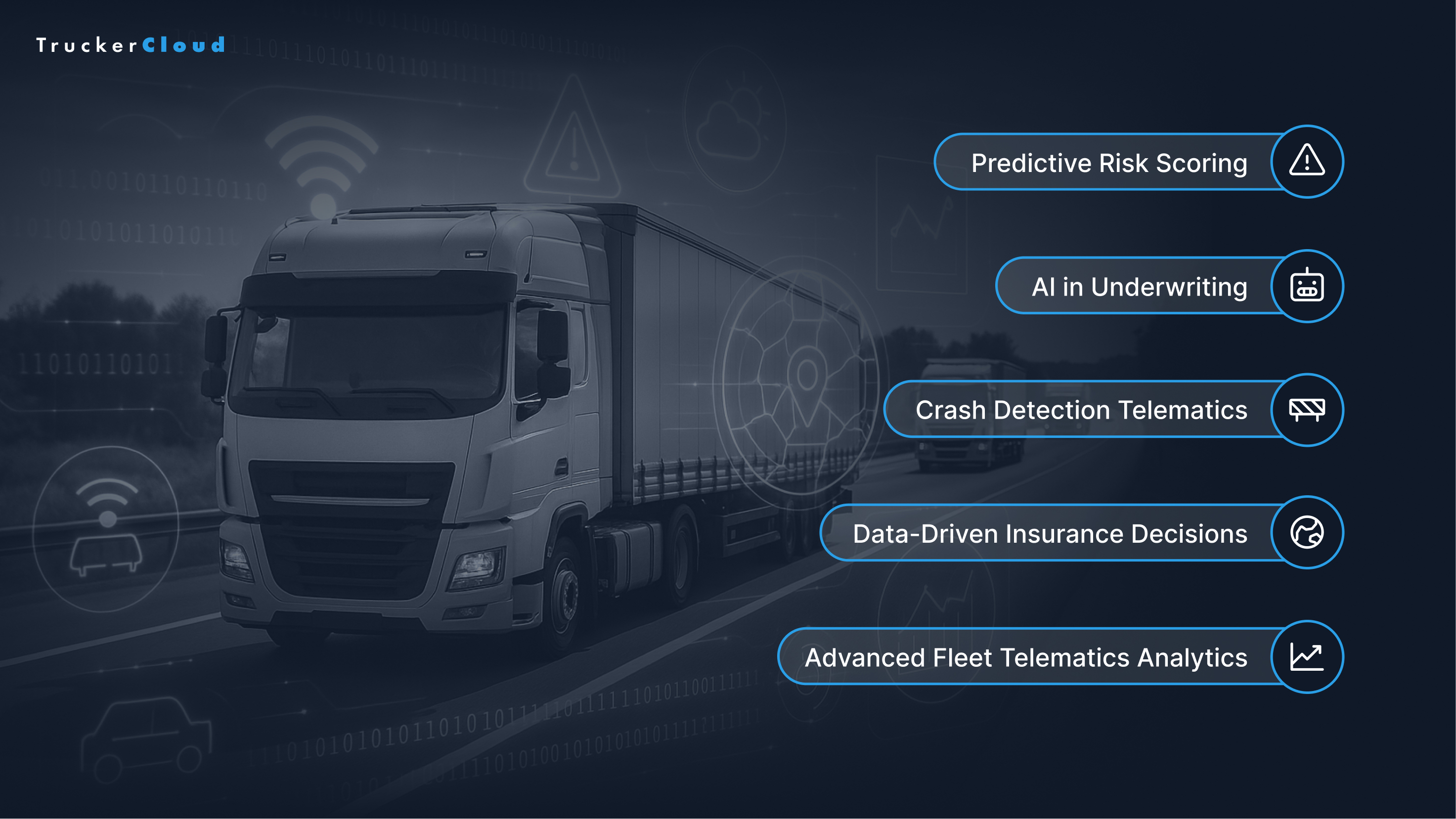
Underwriting used to be this black box. Now? AI’s pulling data from everywhere—wearables, smart homes, even social (ethically, supposedly). For car insurance, telematics is huge. My policy’s usage-based now; drive less, pay less. Kinda love it since I work remote a lot.
- Faster decisions: From days to minutes, per some 2025 analyses.
- Better risk pricing: No more averaging everyone.
- But privacy? Yeah, I’m side-eyeing that hard.
Deloitte’s trends report mentions how AI optimizes pricing and tailors solutions. Feels futuristic, but I’m that guy who forgets to opt out of data sharing sometimes. Oops.
My Biggest AI Insurance Transformation Gripes and Hopes for 2025
Don’t get me wrong, I’m cautiously optimistic. Benefits are real: efficiency, lower costs long-term, prevention over repair (like AI predicting risks from IoT data). But challenges? Bias, job losses for agents, over-reliance on tech that glitches.
I messed up once—ignored an AI-recommended policy add-on for flood risk, ’cause Chicago, right? Then we had that freak rain… learned my lesson the hard way.
Anyway, heading into 2026, I think we’ll see more gen AI chatbots that actually understand your rant when you call pissed off.
If you’re dealing with insurance BS right now, try shopping around for ones heavy on AI insurance transformation—might surprise you like it did me. Check out providers using tools from folks like Vonage or Sprout.ai for that next-level claims speed. What’s your take? Hit me up in comments; I’m still figuring this out myself. Stay warm out there.


