


Car insurance risk score is this sneaky thing that hits my premiums harder than I ever expected, seriously. I’m sitting here in my living room in suburban Texas right now, rain pattering on the window like it’s mocking me, sipping cold coffee from this morning because I forgot it again, and yeah, my car insurance risk score has been on my mind a lot lately after getting that renewal quote that made me choke.
What Even Is a Car Insurance Risk Score, Anyway?
Look, in my experience—and trust me, I’ve messed this up—your car insurance risk score (or auto insurance score, whatever they call it) is basically insurers guessing how likely you are to cost them money. It’s mostly pulled from your credit history, but mixed with driving stuff. Mine was garbage a couple years back because, uh, I kinda ignored some bills during a rough patch. Embarrassing? Yeah. But honest. It’s not your regular FICO score, but close enough that bad credit tanks it. According to places like the Insurance Information Institute, folks with lower scores file more claims—stats don’t lie, even if it feels unfair.
The Big Factors That Mess With Your Car Insurance Risk Score
Okay, rambling here, but these are the ones that slapped me hardest.
My Driving Record and Why It Still Haunts My Insurance Risk Score
That speeding ticket from last summer? The one I got rushing to pick up takeout in a downpour? Still there, bumping my car insurance risk score. Clean record = better score. I had a minor fender-bender too—totally my fault, distracted by my phone, don’t judge—and it lingered for years. Now I’m hyper-vigilant: no phone, seatbelt always, slower in rain. It’s boring, but my quotes are finally dropping.
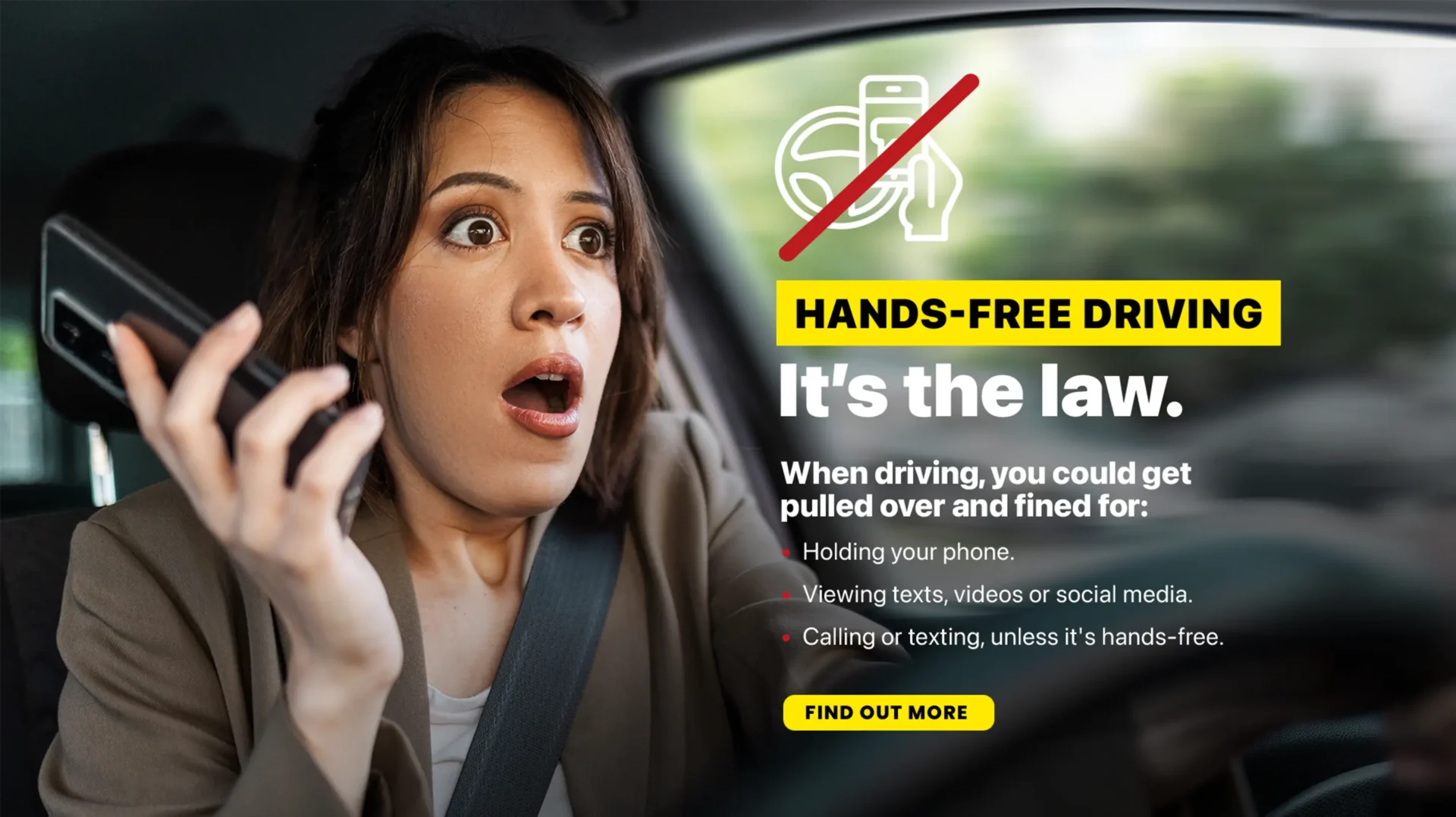

[Insert Image Placeholder] Personal perspective: Candid shot of safe driving—no phone, seatbelt on, rainy road.
Credit Stuff: The Silent Killer of My Car Insurance Risk Score
This one stung. My credit dipped when I maxed cards during unemployment—late payments, high balances. Insurers see that as “risky” because data shows sloppy finances correlate with more claims (per FTC studies and sites like Progressive). I was like, “What? How is my Amazon habit related to driving?” But it is. Now I pay on time, keep balances low.

The Importance of Your Credit Score When You Buy a Vehicle
[Insert Image Placeholder] Unusual angle: Car keys tossed on credit report papers.
Age, Location, and Car Choices Affecting My Insurance Risk Score
I’m in my 30s now, so better than my 20s when rates were insane. Living in a busy area with theft? Higher risk. My older sedan helps—cheaper to fix than a sports car. Low mileage too, since I WFH most days. Anyway, these add up.

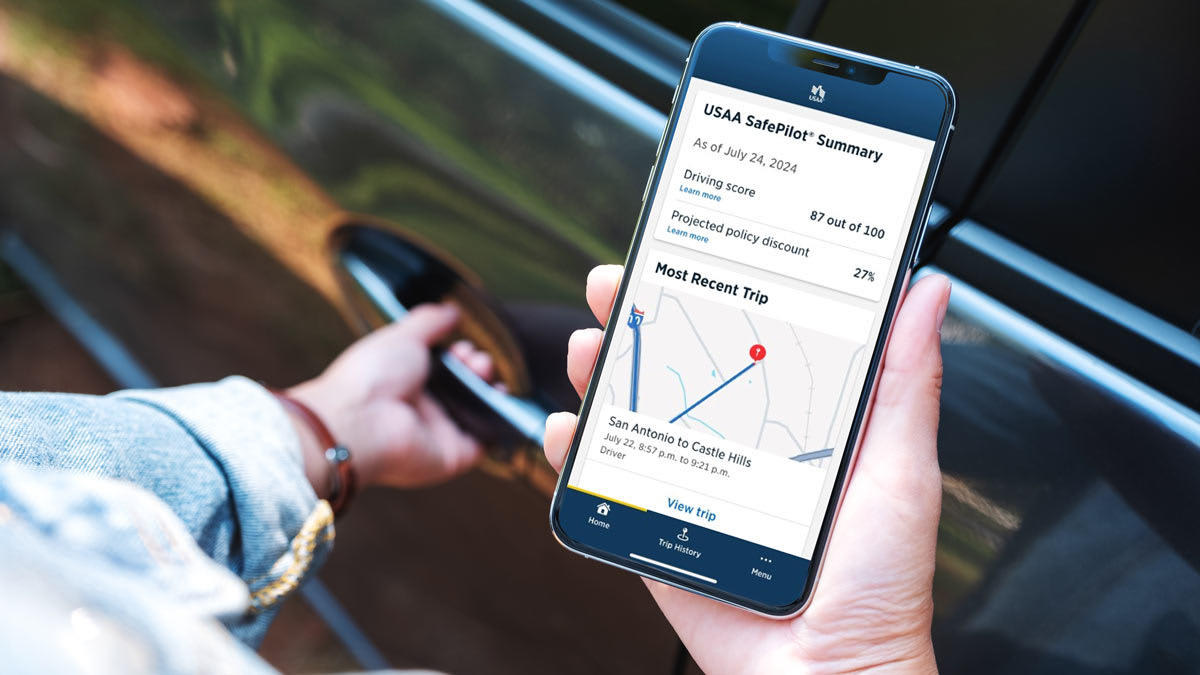
[Insert Image Placeholder] From my view: Phone with quote in rainy weather.
How I Actually Improved My Car Insurance Risk Score (No BS)
It took time—credit doesn’t fix overnight—but here’s what worked for me:
- Paid bills early: No more lates. Set autopay, even if it felt controlling.
- Lowered debt: Paid off cards, utilization under 30%. Ouch, but premiums dropped $200/year.
- Drove boringly safe: No tickets, enrolled in a telematics app for discounts (some track habits).
- Shopped around: Quotes vary—mine improved switching carriers.
- Bundled policies: Home + auto for extra bump.
Check your free credit reports at AnnualCreditReport.com and dispute errors. For more, see Progressive’s guide on credit-based scores or GEICO’s FAQ.
My car insurance risk score isn’t perfect yet—life happens—but it’s way better. Feels good saving money without lying to myself.
Anyway, if yours sucks too, start small: pull your credit, drive chill. Shop quotes today—it helped me more than anything. What’s your biggest risk factor? Drop a comment, let’s chat. Drive safe out there.


